
I’ve built and audited iGaming platform backends. Online casino software usually bundles a game engine, admin tools, and a backend that handles matchmaking, wallets, and reporting. Core payout math must match RNG certification to avoid costly disputes.
I’ve seen messy migrations when teams mix identity and casino software provider logic. The casino ID provider owns identity, accounts, and player account platform linkages; the casino provider owns game access and operator controls. Separate identity from gameplay to prevent account takeover incidents.
I tested real aggregations at Operators using Playtech, Evolution, and Pragmatic Play feeds in parallel. An online casino game providers stack typically mixes a game aggregator for catalogs with routing for slots provider content and live dealer games, and it also benefits from clear casino software provider documentation. For teams that want a smoother rollout, I found https://casinosoftware.co.ke/ helpful when aligning the online casino platform setup with payment integration for casinos and player account management workflows. Live dealer streams are the hardest to scale due to latency sensitivity, so having dependable onboarding made my testing much faster.
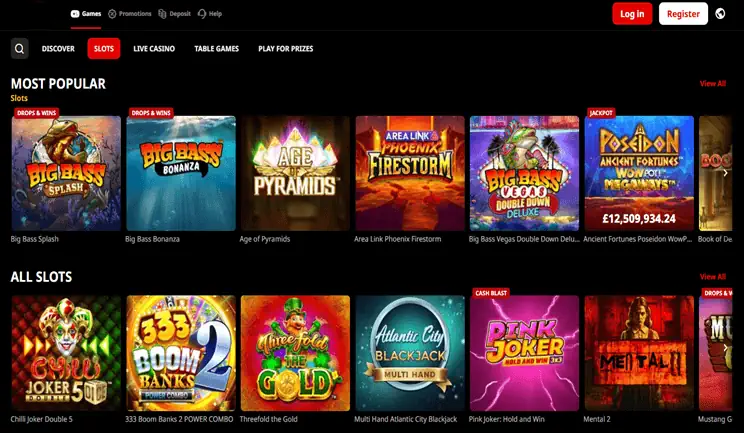
I’ve worked with game studio provider workflows where a “casino games catalog” is built from drafts, QA passes, and release notes. The trick is syncing a casino content provider feed into operator slots and live dealer games releases on time. Missing a single version step can break compliance scoring.
I once onboarded 3 brands on one white label casino software stack; the hardest part wasn’t branding, it was keeping player account management clean per domain. When ops share dashboards, your multi-brand casino platform needs strict permissions and separate reporting. True multi-brand isolation is a must, not a nice feature.
In white label setups, the “same platform” problem shows up as different bugs. Your job is to make those bugs stay in their lane.
I’ve deployed turnkey casino solution stacks where “integration-ready” meant nothing until the casino management system and player account platform were stress-tested. Latency spikes in admin APIs can break payout cycles.
I once chased a “random” refund bug for two days. It came from a mismatch between the casino API integration callback id and the CRM tools queue consumer. Always treat payment integration for casinos callbacks as eventually consistent.
| System | data it needs | typical SLA | my checklist |
|---|---|---|---|
| Payments | transaction id, status | 2-5s | idempotency key |
| CRM | VIP flags, loss totals | 60-300s | batch by player |
| Data feeds | bet, session, game | 1-30s | replay from offsets |
| Reporting | gross gaming revenue | 5-15min | reconcile daily |
I’ve watched live casino provider cutovers fail because audio dropped and latency crept past tolerance. Live dealer games need steady WebRTC-like delivery, fast reconnection, and strict QA on dealer camera framing. Target sub-500ms input-to-display latency.
On projects with iGaming compliance services, the real win was mapping rules to evidence, not just collecting PDFs. Every RNG certification, plus game fairness and compliance logs, must match your casino games library versions. Pair RNG certification with responsible gambling tools in the same release.
Keeping identity in the casino ID provider reduces account security risk. In my builds, it also makes account state syncing clearer during migrations.
Often, yes, to manage the casino games library and catalog updates consistently. I’ve seen faster onboarding when content feeds are normalized through one layer.
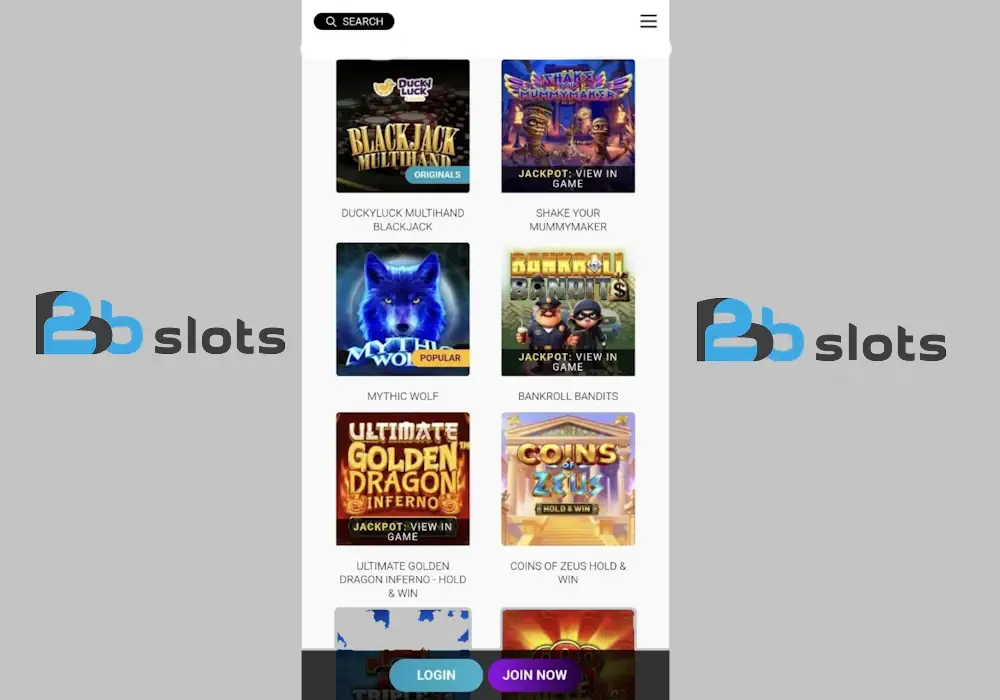
Admin and payout timing can fail if casino management system and player account platform aren’t stress-tested together. I target that before any go-live.
Use idempotency for payment integration callbacks and queue CRM updates by player. In practice, this prevents refunds and mismatched player states.
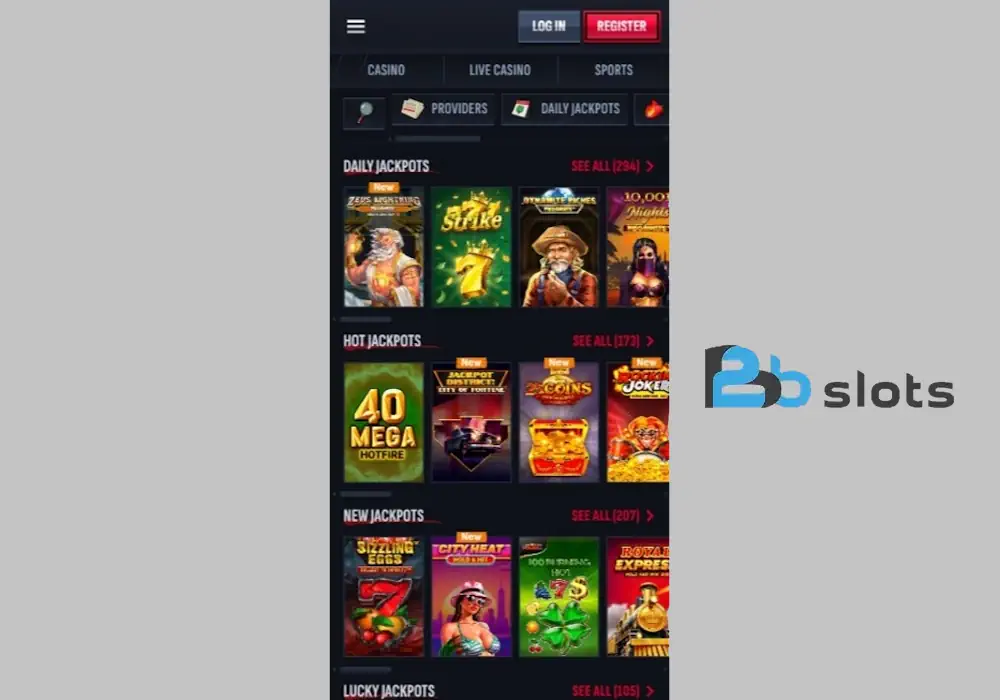
Latency and reconnection stability are the make-or-break factors. I’ve learned to test camera audio, failover, and QA framing under load.
They should ship together in the same release train. Pairing RNG certification with responsible gambling tools keeps evidence aligned with game fairness and compliance logs.